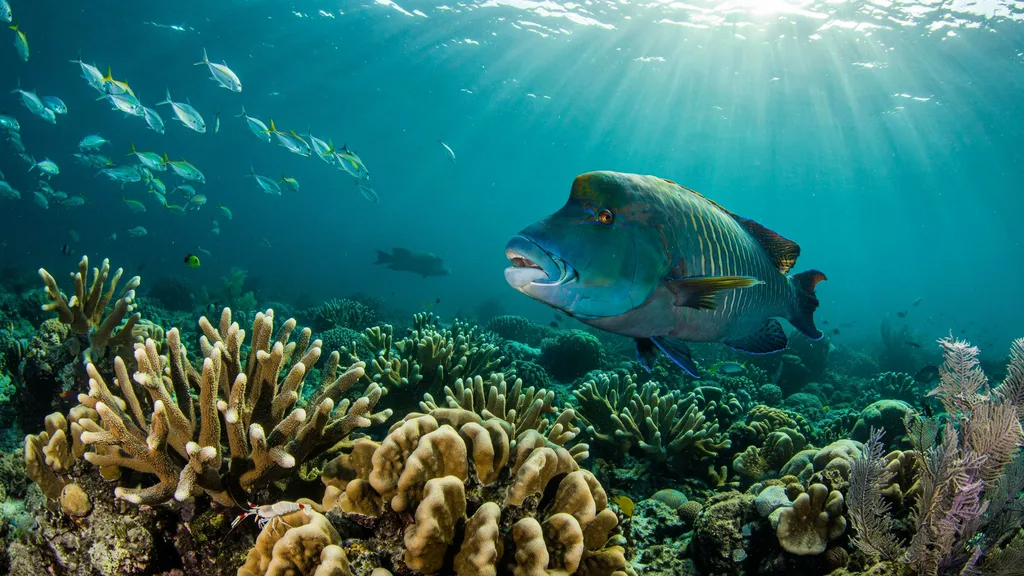

Have you ever looked into the big blue ocean and wondered who the biggest friend down there is? Meet the Napoleon Wrasse! This is one of the coolest and biggest fish you will ever see swimming near a coral reef. It has a funny bump on its head that looks a bit like a special hat. That bump makes it look very wise, kind of like an old king. When you go snorkeling in warm, tropical waters, spotting a Napoleon wrasse is like finding a hidden treasure. These gentle giants are super curious. They might even swim up close to say hello to scuba divers! They are peaceful creatures that love to cruise around the colorful coral cities all day long. Watching them glide through the water is pure magic. It makes you feel very small and very lucky to share the planet with such a wonderful swimming friend. Let us dive in and learn all about why the Napoleon wrasse is so special to our big blue oceans.
What is a Napoleon Wrasse?
The Napoleon wrasse goes by a few different names. Some people call it the humphead wrasse because of that cool bump on its head. Its scientific name is Cheilinus undulatus, but that is a bit of a mouthful to say! This fish is truly massive. In fact, it is one of the largest reef fish in the entire world. A fully grown adult can grow up to 6 feet long or even more. That is taller than many grown-up humans! They can also weigh as much as 400 pounds. Imagine a big motorcycle underwater, but it is actually a friendly, swimming fish. Their bodies are covered in stunning scales that show off shades of blue, green, and purple. As they get older, the bump on their head gets bigger and more noticeable. Every single Napoleon wrasse has unique patterns on its face that look like cool mazes or tattoos. These patterns help us tell them apart, just like our own fingerprints do!
Where Do These Big Fish Live?
If you want to spot a wild Napoleon wrasse, you have to pack your bags for warm and sunny places. They love the bright, clear waters of the Indo-Pacific region. This includes the amazing coral reefs around the Red Sea, the coast of East Africa, and all the way across to the islands of the central Pacific Ocean. You will usually find them hanging out near steep coral drop-offs, deep lagoon reefs, and rocky channels where the water moves nicely. They really like places where the coral reef is healthy and full of life. During the day, a Napoleon wrasse swims actively around the reef. But when the sun starts to go down, they look for a cozy safe spot to sleep. They might squeeze under a big coral ledge or rest inside a deep cave to hide from nighttime predators. It is their very own underwater bedroom!
What is on the Menu for Dinner?
You might wonder what a giant fish with thick lips likes to eat for lunch. The Napoleon Wrasse has a very important job on the reef as a top-notch hunter. They love to munch on hard-shelled animals like crabs, sea urchins, and snails. Their strong teeth and powerful jaws let them crunch through heavy shells with no trouble at all. They also love to eat toxic crown-of-thorns starfish! This makes the Napoleon wrasse a super helpful hero for the coral reef. By eating those prickly starfish, they protect the fragile coral from getting eaten up and destroyed. When they hunt, they swim slowly and look closely at the sand and coral blocks. They wait patiently for a snack to show up, then snap it up with a quick gulp. It is a very busy and hungry life being the biggest fish on the block!
The Amazing Life Cycle
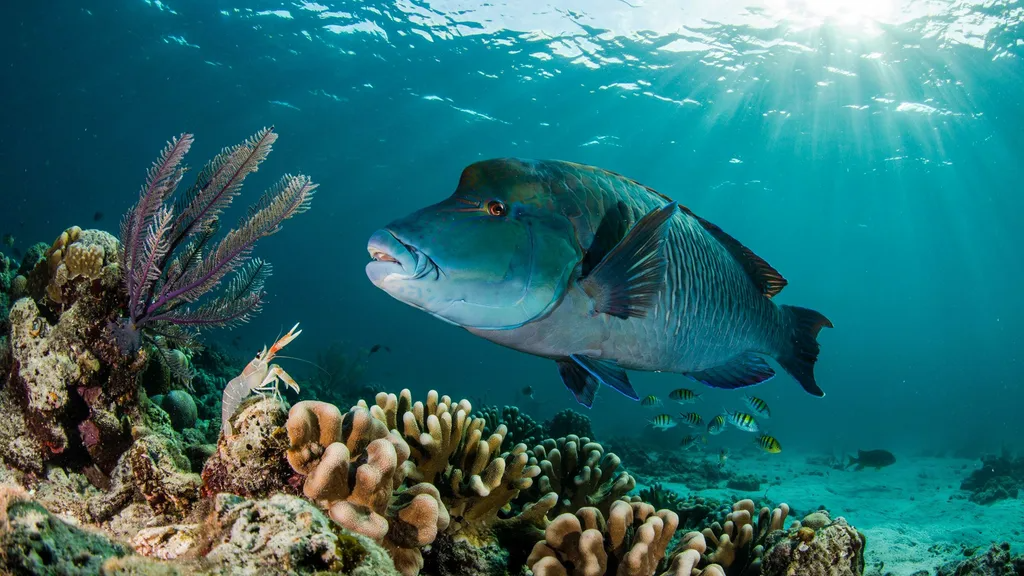
Every Napoleon wrasse starts its life as a tiny, floating egg in the open ocean. Once they hatch, the tiny babies find a safe home in shallow areas like mangrove roots or sea grass beds. As they grow bigger and stronger, they move out to the main coral reef to join the adults. One of the most fascinating facts about the Napoleon wrasse is how their bodies change as they grow. Most young ones start out with a pale, greenish color and female bodies. But as they get older and bigger, some of them turn into gorgeous, bright blue males with super thick head bumps! They live a very long time, too. A healthy Napoleon wrasse can live for 30 years or even more in the wild. That means they get to watch the reef change and grow across many decades, acting as the true old-timers of the ocean neighborhood.
Why the Head Bump is So Cool
Let us talk more about that famous bump on the head of the Napoleon wrasse! Scientists still scratch their heads trying to figure out every single reason it is there. We know that the bump gets larger as the fish gets older. Older males have the biggest and most bumpy heads of all. Some experts think the bump might help them look tough and strong when they want to show off to other fish. Others think it is just a natural part of growing up, like getting gray hair or a deep voice. When you look at a young Napoleon wrasse, you might barely see the bump at all. But when you see an old grandparent fish, that bump is huge and proud. It gives the fish a very funny and memorable face. If you draw a picture of a Napoleon wrasse, that head bump is the most important part to put on your paper!
Friends with Scuba Divers
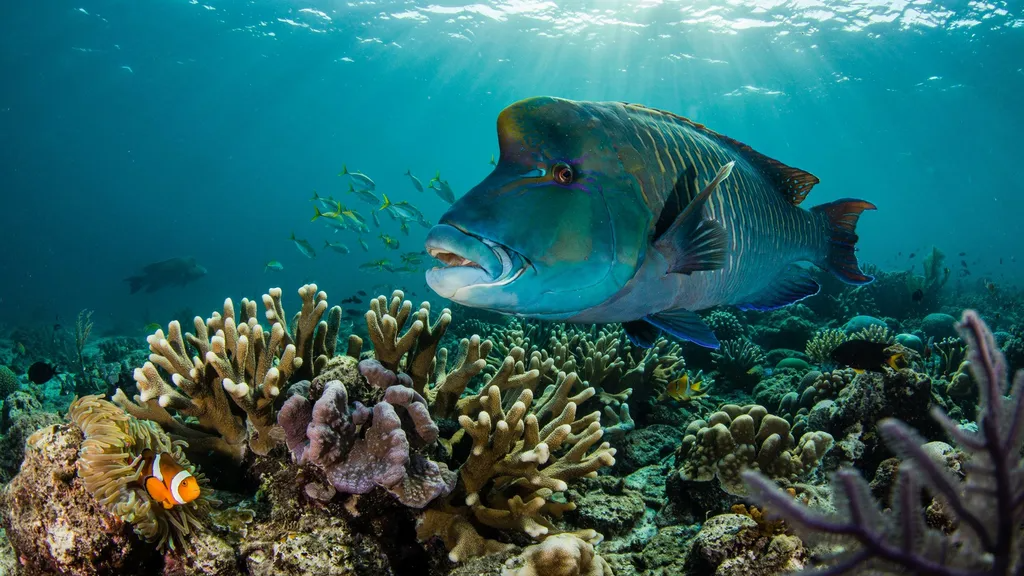
One reason people adore the Napoleon wrasse is their super friendly personality. Unlike many wild fish that zoom away as fast as they can when a human swims by, the Napoleon wrasse is bold and curious. In popular diving spots, local fish get used to seeing snorkelers and dive boats every day. A friendly Napoleon wrasse will often swim right up to the divers to check out their masks and bubbles. They are not asking for trouble; they just want to see what is going on! This makes them a favorite subject for underwater photographers. You can snap a wonderful picture right next to this giant reef fish. Because they trust humans so much, it makes them feel like wonderful underwater pets. But remember, we should always look with our eyes and never touch them or feed them human snacks!
Why the Napoleon Wrasse is in Danger
Even though the Napoleon wrasse is big and tough, it faces some very serious troubles today. Their slow growth rate and trusting personality make them easy targets for fishing boats. In some parts of the world, people catch these big fish to sell them in fancy live seafood markets. Because they take many years to grow up and have babies, their families cannot replace the lost fish fast enough. Also, pollution and warming ocean waters hurt the coral reefs where the Napoleon wrasse lives. If the coral reef gets sick and dies, the fish lose their homes and their favorite foods. This means the number of wild Napoleon wrasse is dropping lower and lower. They are now considered an endangered species in many places, which means we have to work extra hard to protect them before it is too late.
How We Can Save the Gentle Giants
We need to take care of our ocean friends so they do not disappear forever. Many countries have made strict new laws to stop people from catching the Napoleon wrasse. Fishing for them is now illegal in lots of protected marine parks and nature reserves. Scuba diving guides and tour companies teach travelers how to respect these animals and keep a safe distance. Scientists also study their numbers and protect their favorite baby nurseries in shallow bays. When we keep the water clean and stop throwing plastic into the sea, we help the whole coral reef ecosystem stay vibrant and healthy. You can help, too, by learning about marine life and sharing cool facts with your friends and family. Every little bit of care makes a huge difference for the majestic Napoleon wrasse swimming far out in the blue sea!
Fun Facts You Might Not Know
Did you know that the Napoleon wrasse can change its color depending on its mood? When they are resting or feeling calm, their colors look soft and pale. But when they get excited or want to show off, their scales flash with bright, bold neon colors! Another fun fact is that they love to rest in groups sometimes, though they usually swim alone or with a partner. They also produce a special slime coat around their bodies at night. This thin slime blanket helps keep them safe from tiny bugs and parasites while they sleep. It is like putting on clean pajamas before bed! They are truly full of surprises. Every time marine biologists study the Napoleon wrasse, they find out something new and amazing about how these gentle ocean giants live their daily lives.
Complete Detailing Table
| Feature / Detail | Description |
| Focus Keyword | Napoleon wrasse |
| Common Alternate Name | Humphead wrasse |
| Scientific Name | Cheilinus undulatus |
| Maximum Length | Up to 6 feet or more |
| Maximum Weight | Up to 400 pounds |
| Lifespan | 30 years or more |
| Habitat | Indo-Pacific coral reefs, Red Sea, deep drop-offs |
| Diet | Crabs, snails, sea urchins, crown-of-thorns starfish |
| Conservation Status | Endangered / Protected in many regions |
| Behavior | Friendly, curious, bold around divers |
Frequently Asked Questions
Why is it called a Napoleon wrasse?
It gets this fun name because the bump on its head looks a bit like the famous hat worn by the old French leader named Napoleon Bonaparte!
Are Napoleon wrasse dangerous to humans?
No, not at all! They are very gentle and peaceful fish. They are curious about divers, but they do not want to hurt anyone.
What do Napoleon wrasse eat?
They love to crunch on hard-shelled sea animals like crabs, snails, sea urchins, and prickly crown-of-thorns starfish.
How big can a Napoleon wrasse get?
They can grow up to 6 feet long and weigh as much as 400 pounds, making them one of the biggest reef fish in the ocean.
Why are they endangered?
They are in danger because people catch too many of them for food, and their coral reef homes are getting hurt by pollution and warm water.
Can they change their color?
Yes, they can! Their bright scales can shift and change shades depending on whether they feel calm, excited, or ready to rest.
Conclusion
The Napoleon wrasse is a true wonder of the ocean world. From its funny head bump to its friendly personality, this giant fish brings so much life and color to our coral reefs. But these gentle creatures need our help to stay safe in a changing world. By respecting nature and learning how to protect our fragile oceans, we make sure future generations can still see these amazing giants swim by. Next time you watch an ocean documentary or visit an aquarium, look out for the wonderful Napoleon wrasse. Share what you learned today with a friend and help spread the word about saving our precious marine life!